Step 1 · An editorial brief, not a logistics one
Start with the right question
The first question is never "which hotel?". It is: "what story do we want to see told?" Until we have the answer, everything else waits. The editorial brief is the cornerstone. Without it, you put together a lovely stay, not a media operation. Big difference.
In practice, the editorial brief sets out four essentials: the narrative angle (the thread running through the trip), the key messages (what we want picked up), the editorial tone (quiet luxury, upbeat tech, relaxed lifestyle) and the photogenic moments, the ones we know will be visually strong and will give the article its images.
The classic mistake: briefing logistics before editorial
We regularly see brands arrive with a programme already sewn up (flights booked, restaurant chosen, hotel confirmed) but no angle. The result? A pleasant trip nobody talks about. Or worse: generic articles that could have been about any brand.
Editorial has to come before logistics. It dictates the destination, the pace of the programme, the kind of activities. A brief that says "we want to show our commitment to local craftsmanship" steers everything: you pick a destination where that craft exists, schedule meetings with artisans, plan hands-on making sessions. Logistics follow. Always.
The brief as the reference document
We write this brief up in a document shared with the client, and it becomes the project's compass. Every decision (from the caterer to the wording of the invitation) is checked against it. That avoids the most common press trip drift: a pile of good ideas that no longer tell a story together. The brief keeps everyone aligned, from the first brainstorm to the last follow-up email.
Step 2 · Casting the guest list
Quality over quantity
Eight well-targeted journalists beat thirty poorly chosen ones, hands down. It's a battle we fight every time with clients tempted by volume. A press trip is not a mass event: it is an editorial influence operation. It runs on relevance, never on numbers.
Our selection criteria are precise: an editorial line that fits the brand's world, an audience that matches the target, genuine availability on the dates (not a polite yes that turns into a cancellation the night before), and a coverage track record: has this journalist covered this kind of subject before? In what tone? In how much depth?
An invitation that makes people want to come
The invitation itself is an editorial act. We never say "you are invited on a press trip". We say: "we'd love to show you something." The difference is fundamental. The first reeks of a PR operation. The second creates curiosity, desire, exclusivity.
We personalise every invitation. We refer to a recent piece by the journalist and explain why this experience suits them specifically. More work, obviously. But the acceptance rate is in another league. Above all, the journalist arrives already well disposed, already engaged.
Managing group dynamics
An often overlooked point: chemistry between guests. Mixing a seasoned print journalist with a TikTok influencer can create friction. Complementary profiles, on the other hand, enrich conversations and spark healthy emulation. We think of the guest list as a casting: each person must bring something to the group, and the group must work as a coherent whole for several days.
Step 3 · The day-by-day editorial itinerary
Every day has a narrative arc
Each day is built like a story: a moment of revelation (a place discovered, a product unveiled), a moment of connection (a meeting, a real exchange) and free time. This rhythm is non-negotiable. Without it, the programme turns into a guided tour, and a journalist is not a coach-party tourist.
The first day is strategic: it sets the tone. We usually open with a strong immersion, something surprising, out of the ordinary. The last day, by contrast, is more intimate and reflective. We let impressions settle. In between, the pace alternates highlights and breathing space.
Planned free time
It's counter-intuitive, but free time is the most productive part of a press trip. That's where the real conversations happen: by the pool, at the hotel bar, wandering down a street with no agenda. That's where the journalist asks the questions they wouldn't ask in a formal interview. That's where trust is built.
So we plan deliberate slots of free time. Not by default, not for lack of ideas: as an editorial choice. And we make sure those moments happen in a setting that invites informal chat. A soulless hotel lobby doesn't have the same effect as a terrace overlooking the sea.
Mix the formats
A good itinerary varies the register: a private visit in the morning (cultural, exclusive), a workshop in the afternoon (hands-on, sensory), an exceptional dinner in the evening (convivial, memorable). This rhythm holds attention, multiplies potential story angles and creates a wealth of experiences that naturally turns into editorial wealth. The journalist doesn't think "I've got a story", they think "I've got three possible stories".
Step 4 · Invisible logistics
The best compliment: "it was all so smooth"
Flights, transfers, rooming list, dietary requirements, timing to the minute: press trip logistics are a monumental puzzle. And the sign of a production that holds up is that guests see absolutely none of it. The van arrives before anyone looks for it. The room is ready before anyone thinks of it. Dinner starts when everyone is seated, not when the caterer is finally ready.
It takes constant anticipation. We prepare plan Bs for every critical step: a cancelled flight, a restaurant that closes, a change in the weather. We have pre-negotiated fallback options so we are never caught short in front of guests.
The details that change everything
Invisible logistics also means the small touches: a bottle of water in the van, a plug adaptor in the room, Wi-Fi that works everywhere, a printed schedule slipped under the door every morning. None of these details is spectacular. But their absence is noticed instantly, and their presence creates a feeling of being completely looked after, which frees the journalist's mind for what matters: observing, listening, writing.
The minute-by-minute run sheet
We work with an internal document (the run sheet) that breaks each day into fifteen-minute slots. Who does what, where, with which kit, which contact on site. Guests never see it. It's the backstage, the script the production team follows so that everything feels natural. Paradoxically, the more precise the preparation, the more spontaneous the experience feels. Exactly like theatre: months of rehearsal so it all looks improvised.
Step 5 · Smart gifting
Forget generic goody bags
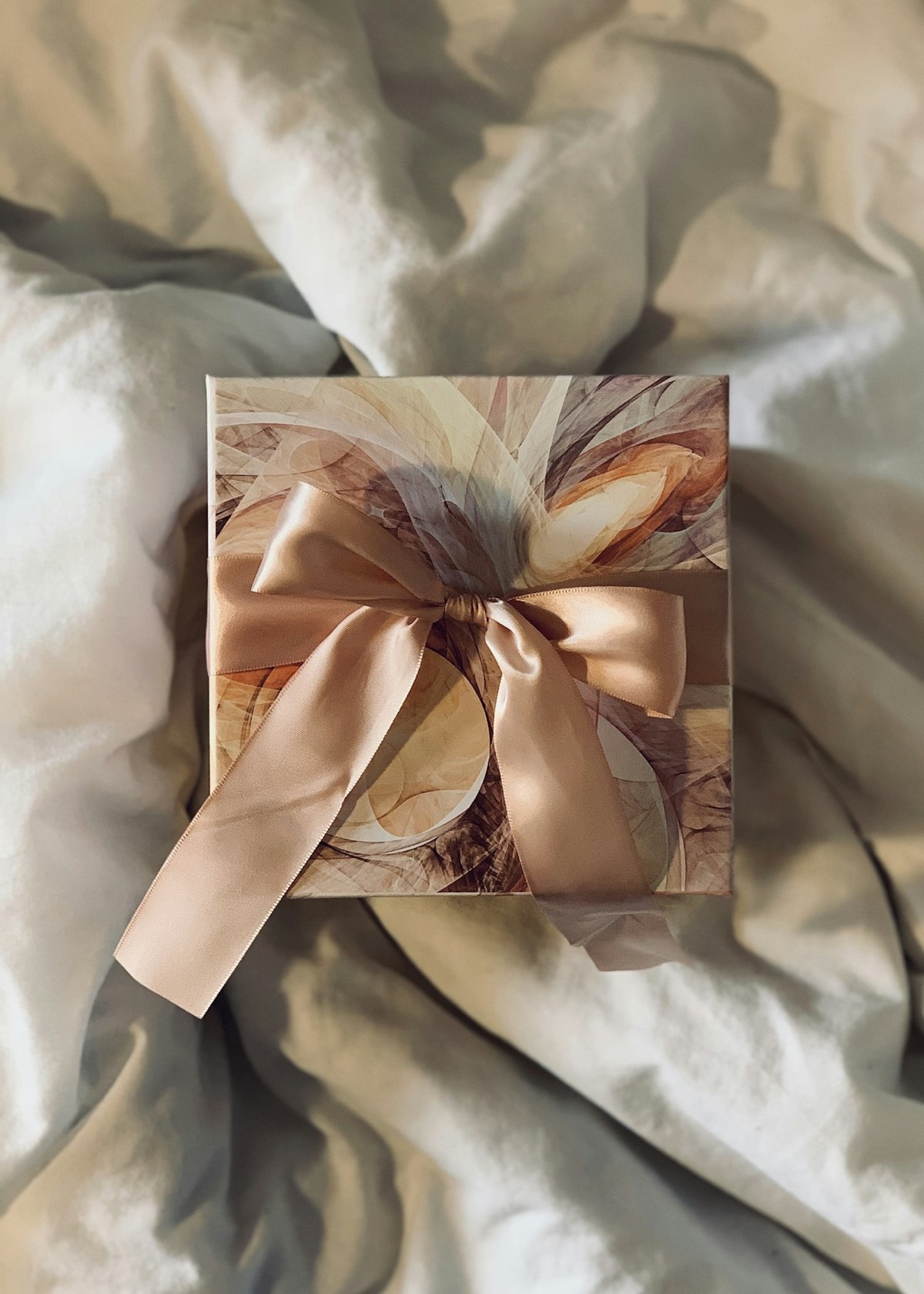
The goody bag on the bed, stuffed with random trinkets and a press release: that's over. Or rather, it should never have started. Gifting deserves the same editorial rigour as everything else. A gift that tells no story just clutters a suitcase. A gift that extends the experience becomes something people talk about.
Our rule: the gift must connect to the experience and to the brand. If the trip explores the brand's craftsmanship, the gift can be a piece made during one of the programme's workshops. If the destination is a vineyard, an exclusive cuvée makes more sense than a branded notebook.
Useful or emotional, ideally both
A good gift is either useful or emotional. Ideally, both. Useful means the journalist will actually use it: a beautiful everyday object, a quality accessory, something that doesn't end up in a drawer. Emotional means it triggers a memory, a feeling, a link to the moment they lived.
And above all: compact. Journalists travel light, often cabin bag only. A gorgeous but bulky gift creates a practical problem that cancels out all the goodwill. We always ask "will it fit in a cabin bag?" before signing off on a gift.
The right timing
When you give the gift matters as much as the gift itself. On arrival is too early: the journalist has no context, no emotional link to the experience. The gift falls flat. We prefer a moment that makes sense in the journey: after a workshop, at the final dinner, at departure. A moment where the gift punctuates an experience rather than opening one. That's the difference between a forgettable welcome present and a keepsake.
Step 6 · Real-time content
An on-board photo and video crew
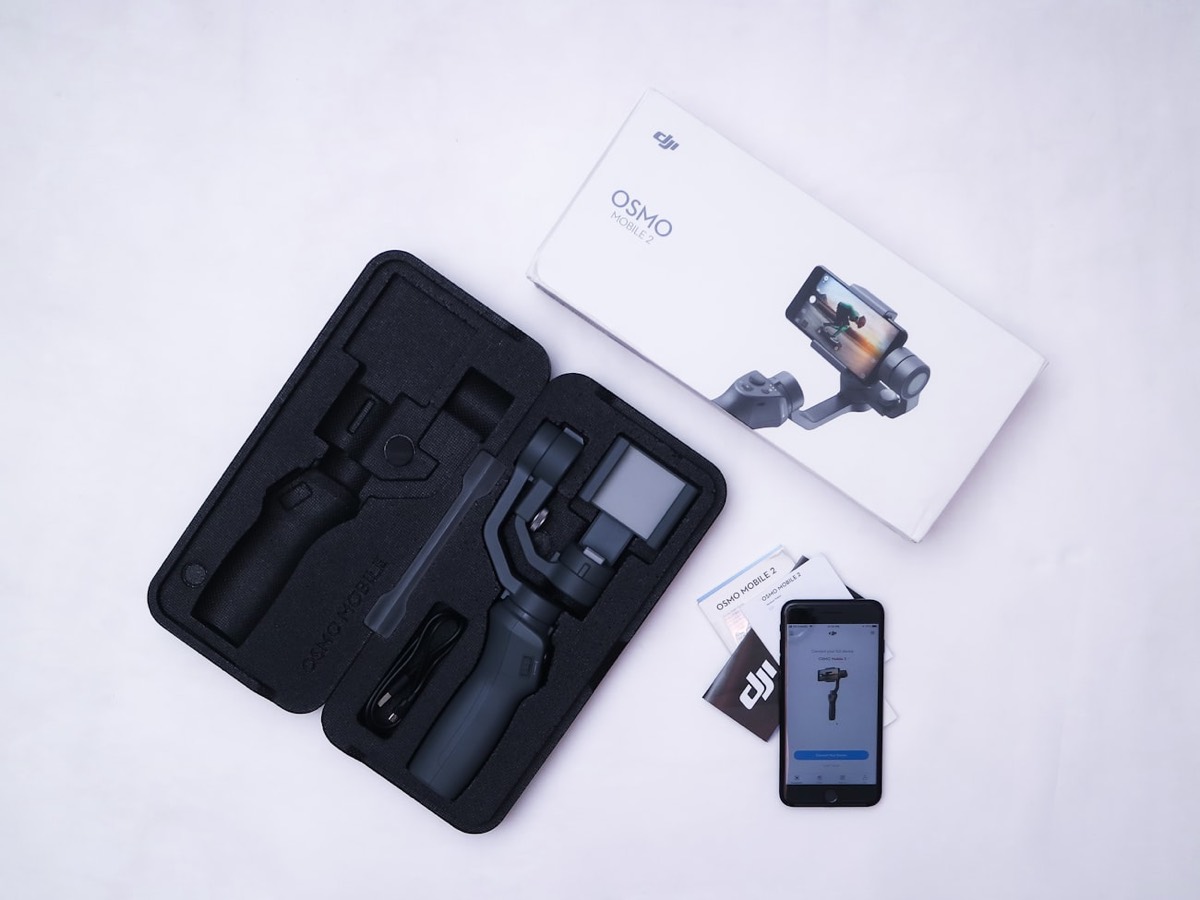
Every trip takes along a photographer and a videographer, briefed in advance on the brand's visual guidelines. Not to churn out corporate comms: to deliver images journalists will genuinely use. The photo brief is a document in its own right: desired framing, lighting mood, moments not to miss, ratio of portraits to atmosphere shots.
The goal is twofold: give journalists professional-quality visuals (which makes publishing easier and looks better) and build an image bank for the brand itself. A well-documented press trip produces usable content for months.
Real-time delivery
We don't deliver photos three weeks after the trip. We share them in real time: via a shared drive updated every evening, or by AirDrop on the spot for the strongest shots. The journalist wants to post a story during the trip? The visuals are there. They want to send a photo to their editor to pin down a piece? It's available.
That responsiveness changes the dynamic. Instead of waiting until they're home to get started, the journalist can feed their social channels, send first impressions to their desk and begin shaping the article. Content is created during the experience, not after.
Three levels of content
A well-orchestrated press trip generates content on three levels at once. Level one: the journalists' publications, articles and features: that's the main goal. Level two: the brand's own content, behind-the-scenes stories on its social channels during the trip, post-trip recaps. Level three: guests' spontaneous posts on their own channels, Instagram photos, enthusiastic tweets, mentions on podcasts. This third level is the most precious because it's the most authentic. And you can't force it, only create the conditions for it to happen.
Step 7 · Tracking coverage
A press trip doesn't end at arrivals
The plane lands, the suitcases are unpacked, and many brands think the job's done. Quite the opposite. Post-trip follow-up is what turns a great experience into real coverage. Without a nudge, even a won-over journalist sees their piece slip behind the day's news. Follow-up isn't harassment: it's editorial support.
The rule: a personal message within 48 hours of returning. Not a generic email to the whole list. A message that refers to a specific conversation, a shared moment, an angle discussed during the trip. "We were talking about this over dinner, here are a few extra details that might be useful."
Targeted editorial follow-up
After that first message, we move into a more structured follow-up phase. We get back in touch ten days later with something concrete: "How's your piece coming along? Need more visuals? We can set up a follow-up interview if you want to dig deeper into something." This kind of nudge is welcome because it's useful: we're offering a service, not applying pressure.
We adapt the follow-up to the outlet. A monthly has long lead times: no point chasing after a week. An online daily can publish within 48 hours. An influencer will post once they've found the right angle for their audience. Every timeline is different, and the follow-up has to respect it.
Client reporting
On the client side, we set up systematic tracking of publications: number of articles, estimated reach (cumulative), tone (positive, neutral, informative), links generated, social media mentions. It all goes into a coverage report that gives a clear view of the trip's ROI.
But the real KPI, the one we watch beyond the metrics, is simpler: will the journalists say "yes" next time? A successful press trip isn't measured only by immediate coverage. It's measured by the relationship it builds. A journalist who comes back, who replies to our invitations, who calls us when they're looking for a story: that's the best long-term indicator of success.